
- Home
- >
- News
- >
- Industry News
- >
News
Precision Part Sorting Trends: Practical Buying Points for 2026 Projects: SEO/GEO buyer guide with quick answer, RFQ checklist, FAQ, two body images, internal product links and conversion CTA.
What Buyers Should Confirm Before Ordering Indexing Disc Optical Screening Machine: SEO/GEO buyer guide with quick answer, RFQ checklist, FAQ, two body images, internal product links and conversion CTA.
AI Optical Sorting Machine Supplier Evaluation Guide for Overseas Buyers: SEO/GEO buyer guide with quick answer, RFQ checklist, FAQ, two body images, internal product links and conversion CTA.
Electronic Component Optical Sorting Machine Application Checklist: Specifications, Documents and Lead Time: SEO/GEO buyer guide with quick answer, RFQ checklist, FAQ, two body images, internal product links and conversion CTA.
How to Choose O Ring Optical Sorting Machine for International Procurement: SEO/GEO buyer guide with quick answer, RFQ checklist, FAQ, two body images, internal product links and conversion CTA.
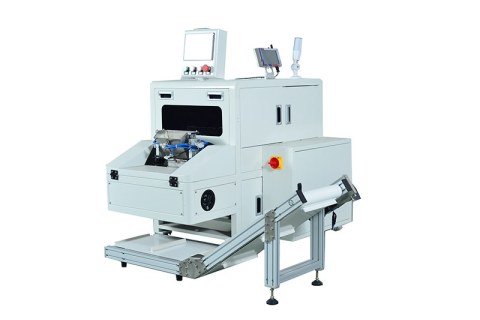
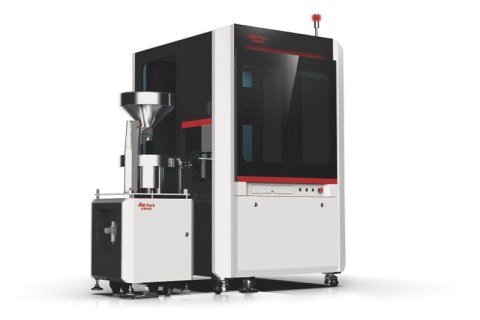
Electronic component manufacturing demands micron-level precision across high-volume production. As depicted in the provided image, miniature multilayered ceramic capacitors (MLCCs), low-temperature co-fired ceramics (LTCCs), chip-scale resistors/inductors, ICs, and ferrite cores require defect detection capabilities beyond human vision limits.
Fastener automated inspection devices are critical for ensuring the quality and efficiency of manufacturing processes. Proper assembly and debugging are essential to achieve high precision, stability, and reliability. This article synthesizes industry best practices for assembling and debugging these systems, drawing from technical standards and engineering expertise
Machine vision systems – intelligent eyes powered by cameras (CMOS/CCD) and sophisticated image processing software – are fundamentally transforming production lines across the globe. Converting captured images into precise digital data, these systems analyze pixel patterns, brightness, and color to identify features and make real-time decisions, controlling machinery and ensuring unparalleled quality and efficiency.
In the intricate world of precision fastening, the humble washer-fastener assembly (a screw combined with a pre-assembled washer) plays a crucial role. Whether ensuring proper load distribution, preventing loosening, or acting as a seal, the integrity of this bonded pair is paramount.
Unitecho’s fully automatic visual screening machines entail variable upfront costs depending on configurations. However, their long-term efficiency and precision often outweigh traditional manual methods, making them ideal for large-scale, high-accuracy manufacturing environments. By strategically selecting models and leveraging technological advancements, businesses can achieve significant cost savings while enhancing product quality.
AI vision inspection systems typically require an operating temperature range of 20°C–30°C. High temperatures may cause overheating of electronic components and increased sensor noise, while low temperatures can lead to lubricant solidification or component frost. High-precision devices often require temperature compensation technology or additional cooling systems
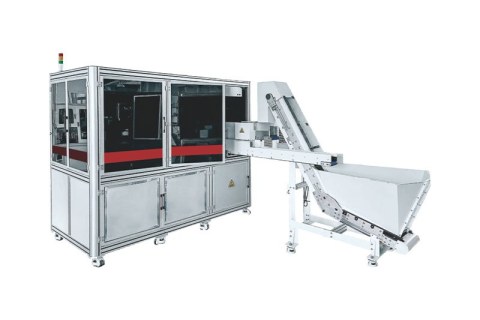
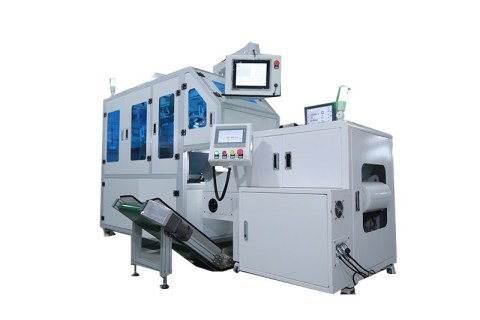
Automated Optical Screening Device for Six-Sided Flange Bolts The state-of-the-art equipment employs a vibratory feeder to sequentially place bolts onto an inspection platform. Utilizing advanced industrial CCD cameras with high resolution, the system captures a 360-degree image of each bolt for comprehensive examination.