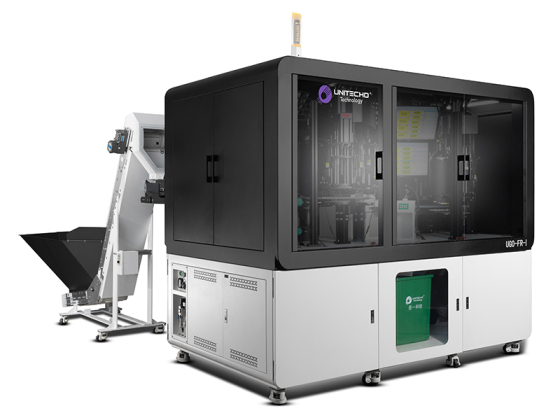



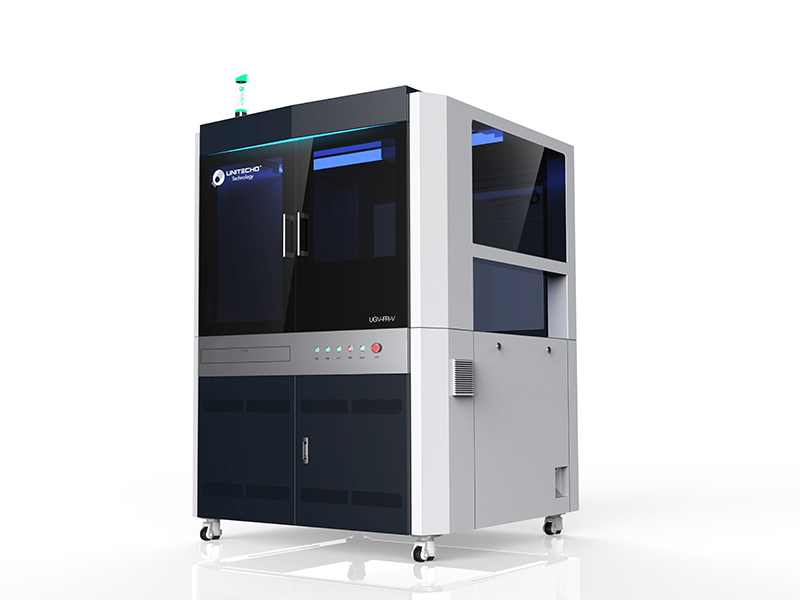

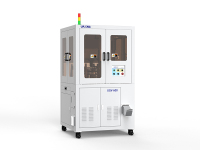
Mobile Phone Component Optical Image Screening Machine
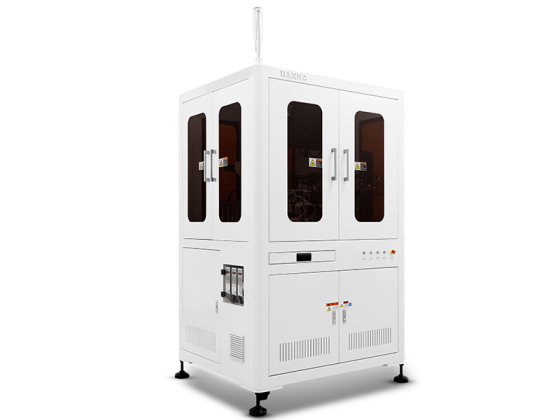
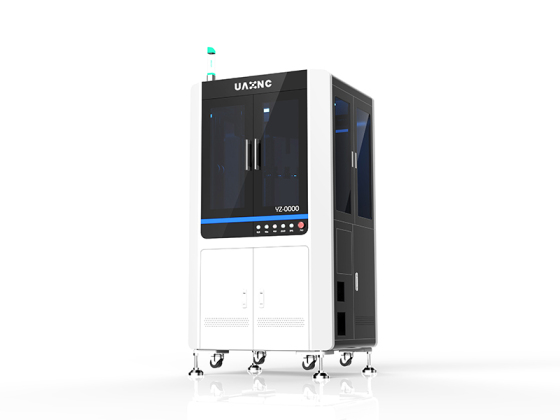
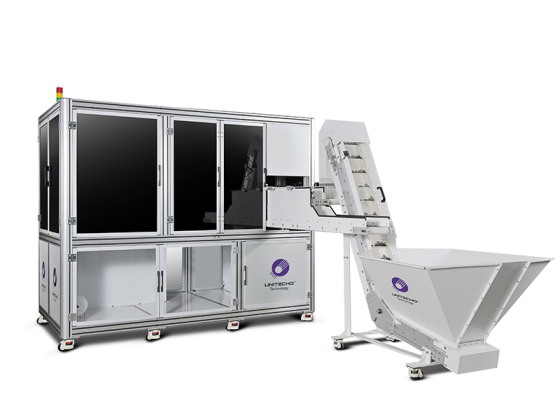
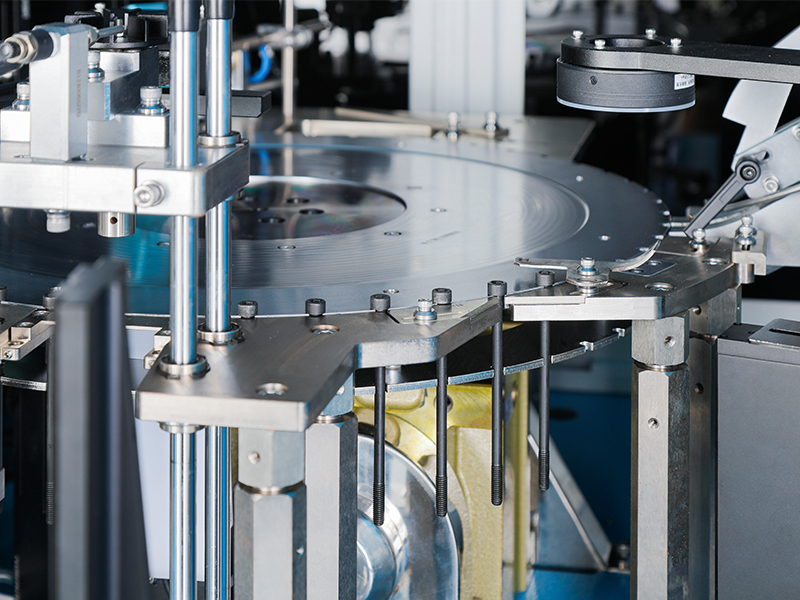
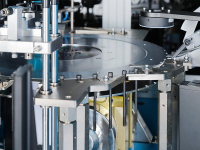
Unitecho Mobile Phone Component Optical Image Screening Machine is built for multi angle optical inspection rotary disc sorting and small parts defect detection Buyers can use it for small industrial parts where stable inspection repeatable handling and reliable sorting are more important than manual checking speed
- Unitecho
- China
- To be confirmed based on model and customization
- Custom production and project supply
- Information
Mobile Phone Component Optical Image Screening Machine inspection application guide
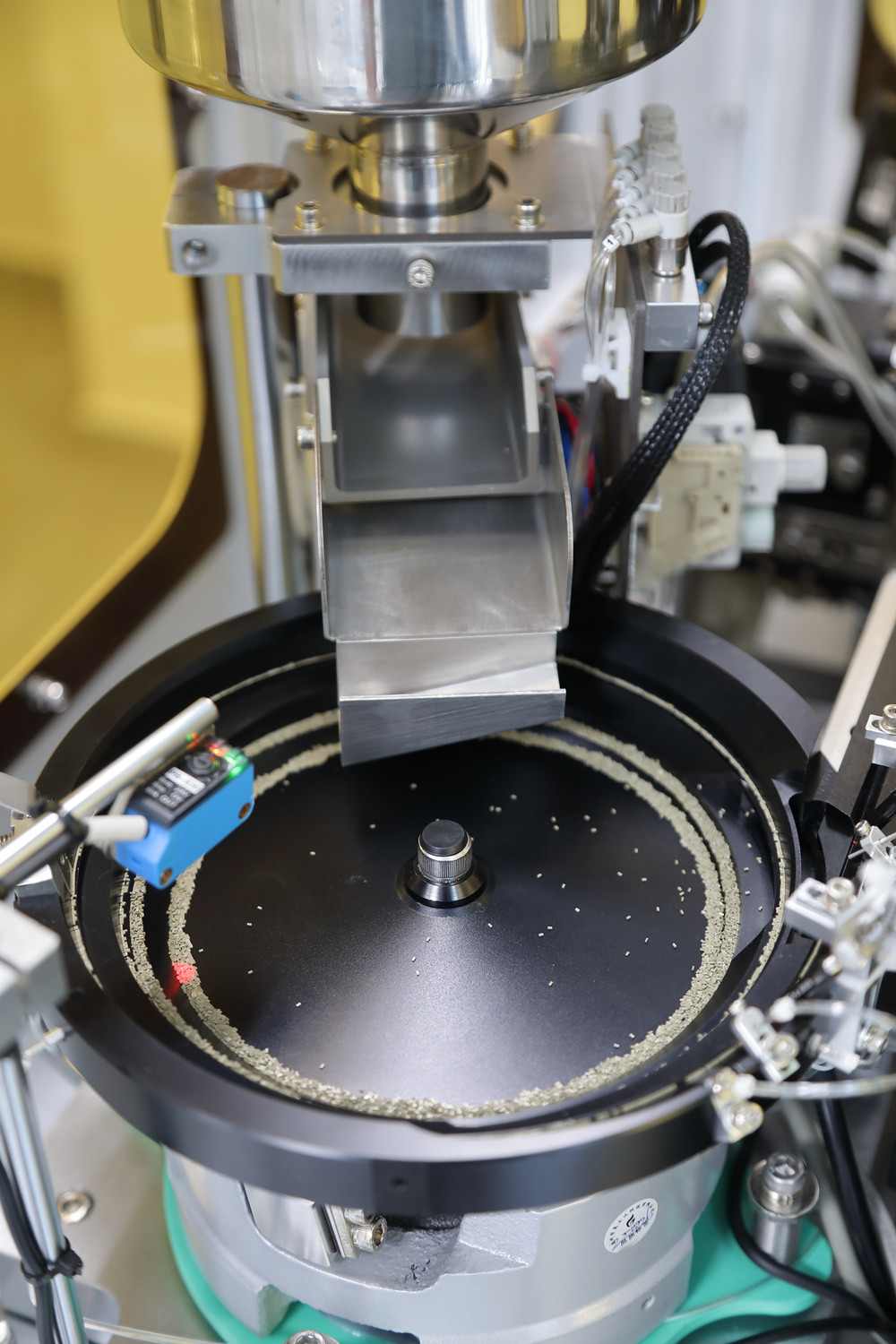
Mobile Phone Component Optical Image Screening Machine is used for automated appearance inspection, dimensional checking, defect recognition, counting, and sorting workflows where stable feeding, optical imaging, and reliable reject separation are important. For 360 Degree Optical Sorting Machine selection, manufacturers should compare part size, inspection sides, camera configuration, feeding method, sorting speed, and defect criteria before confirming the final machine layout.
Related Unitecho optical sorting solutions include High Accuracy 360 Degree Optical Sorting Machine, 360 Degree Optical Sorting Machine, Capacitive Optical Sorter. These internal product links help users compare inspection equipment by application, component type, and automation requirement.
Mobile phone component optical image screening machine
This cutting-edge system employs intelligent and digitized visual representations, with a modular software design facilitating seamless connectivity and intuitive user interface (UI). The user experience is streamlined, requiring minimal parameter adjustments, making it easy even for non-experts to operate. The focus on simplicity and ease-of-use empowers businesses to quickly adopt this powerful solution without extensive training, thereby boosting productivity and quality control in their respective industries.
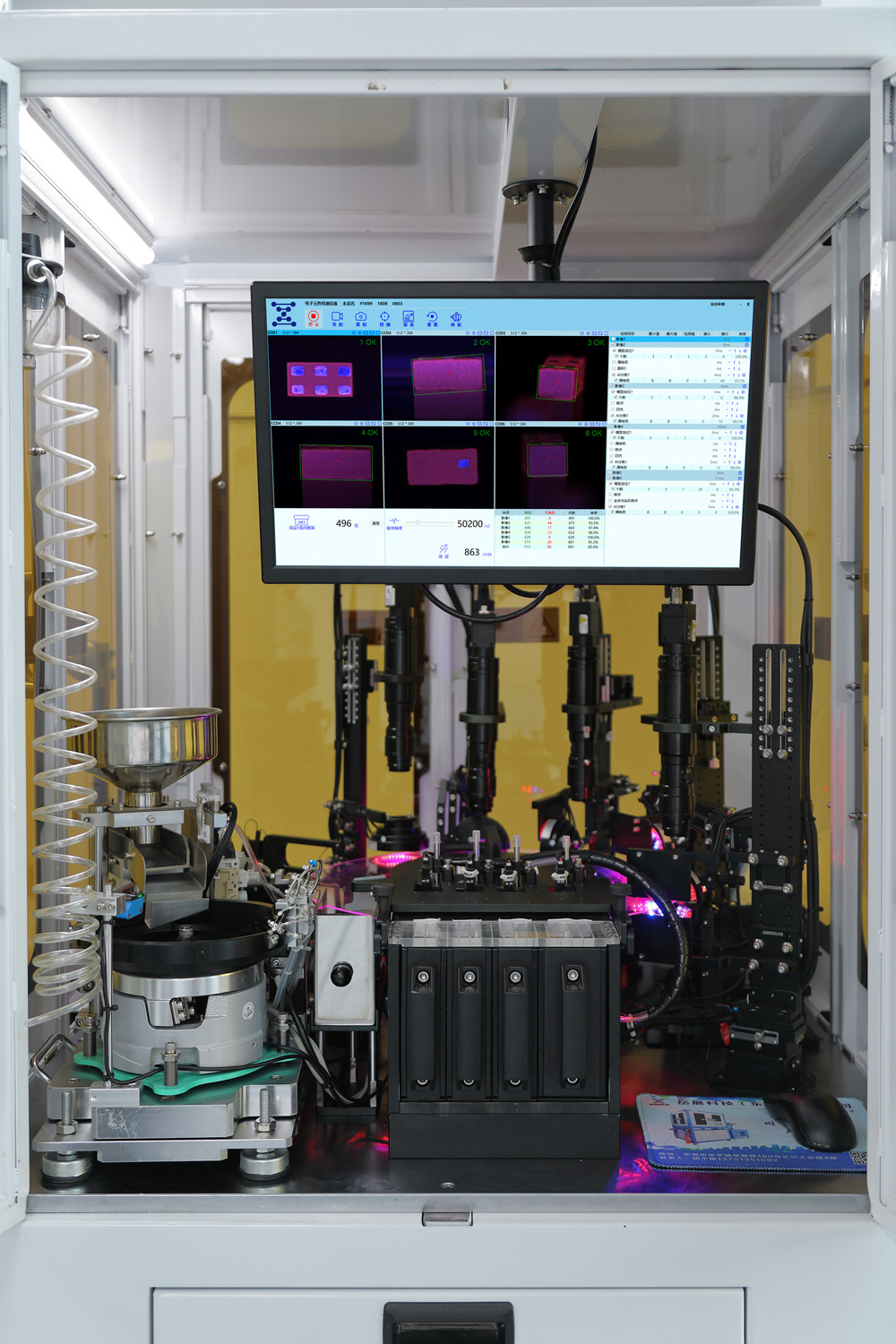
The advanced mobile phone component inspection device boasts several significant advantages
High Adaptability: Equipped with a vast array of deep learning algorithms, it is versatile and capable of effectively detecting various components across numerous scenarios.
Low Training Cost: Boasting an extensive industrial computer vision (CV) model repository, the device significantly reduces the time required for model training, streamlining the development process.
User-Friendliness: The in-house developed universal detection platform simplifies the entire workflow, from annotation to training, making it accessible even for those without extensive industry expertise.
High Efficiency: Optimized model compression and deployment enable the system to achieve exceptional speed, supporting inspection rates of over 12,000 components per minute in high-speed applications across multiple cameras.
High Detection Accuracy: Tailored specifically for industry challenges, the device excels at detecting subtle defects and addressing intricate issues such as small cracks and blackouts, ensuring reliable results for critical components.