


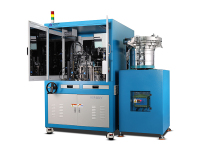
Fully Automatic Optical Sorting Machine
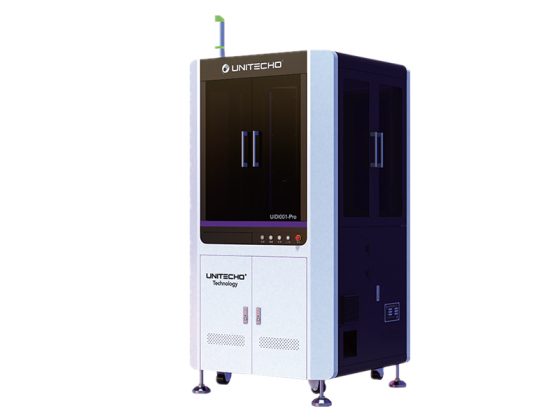
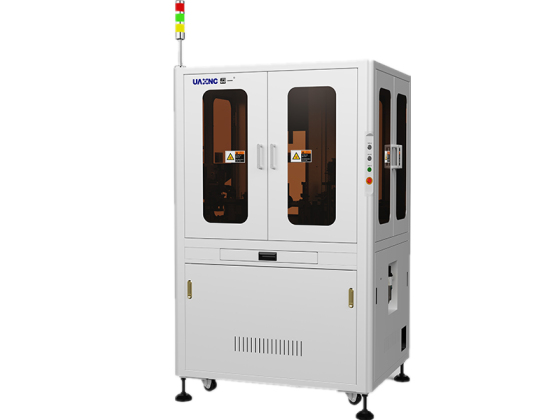
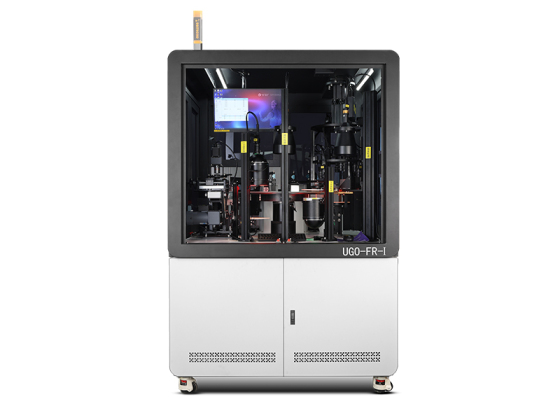
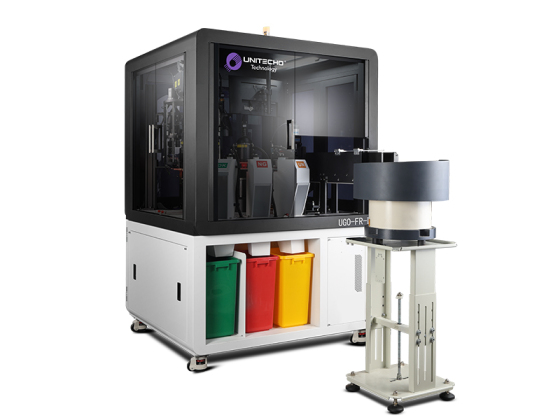
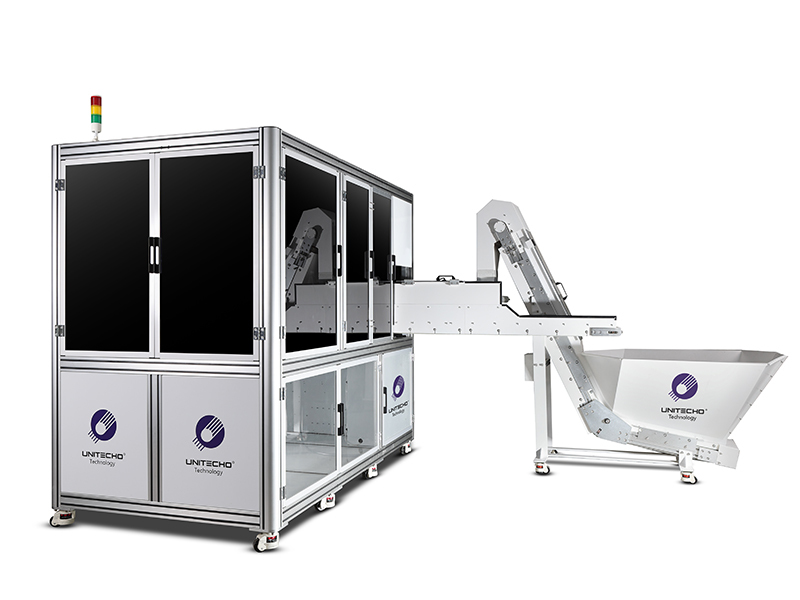
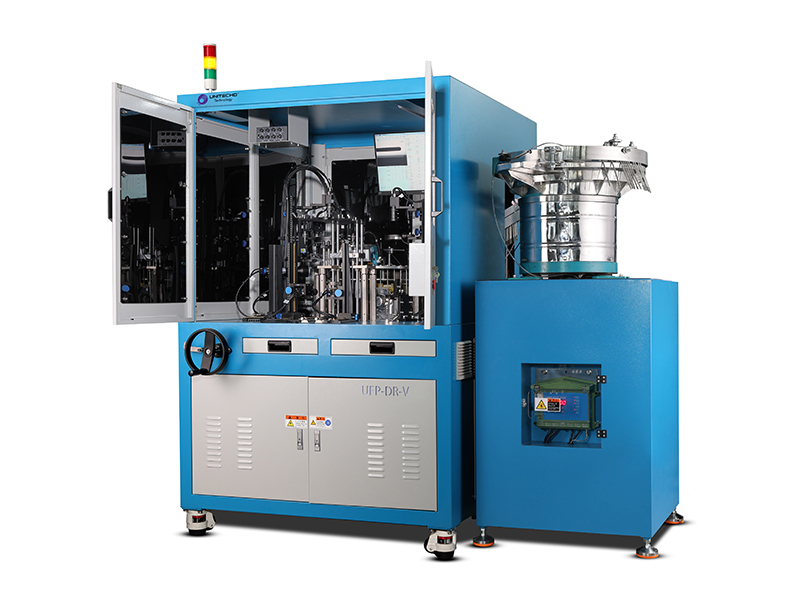
Unitecho Fully Automatic Optical Sorting Machine is built for industrial visual inspection automated sorting and production quality control Buyers can use it for small industrial parts where stable inspection repeatable handling and reliable sorting are more important than manual checking speed
- Unitecho
- China
- To be confirmed based on model and customization
- Custom production and project supply
- Information
Fully Automatic Optical Sorting Machine inspection application guide
Fully Automatic Optical Sorting Machine is used for automated appearance inspection, dimensional checking, defect recognition, counting, and sorting workflows where stable feeding, optical imaging, and reliable reject separation are important. For Optical Image Screening Machine selection, manufacturers should compare part size, inspection sides, camera configuration, feeding method, sorting speed, and defect criteria before confirming the final machine layout.
Related Unitecho optical sorting solutions include Glass Plate Optical Sorting Machine, Glass Dial Optical Sorting Machine, Fastener Optical Sorting Machine. These internal product links help users compare inspection equipment by application, component type, and automation requirement.
Fully Automatic Optical Sorting Machine Application Scope
The fully automatic optical inspection and sorting machine is a high-tech project designed for a wide range of applications, primarily in the sorting of metal and non-metal components such as hardware, plastics, etc.
1. Metal processing, assembly, and testing: This includes precise machining, assembly, and inspection of critical parts and specialized metallic materials.
2. Non-metal processing, assembly, and testing: The machine is applicable to non-metallic materials as well.
3. Electrical systems installation, calibration, and testing: It is utilized for handling the setup, testing, and verification of electrical systems.
4. Impact of software monitoring systems on inspection and sorting efficiency: The machine relies on advanced software to optimize its performance in terms of efficiency.
Due to the complexity of its detection processes, an optical sorting machine must possess high-performance image acquisition, data processing capabilities, and smooth operation. Consequently, its development presents a significant challenge, requiring a large pool of skilled researchers and substantial financial support.
Fully Automatic Optical Sorting Machine Work Process
The fully automatic optical sorting machine employs fundamental principles of electronic and optical technology to capture images of products, enabling rapid inspection of dimensions, surface defects, and missing components. Its high precision and speed make it a popular choice among component manufacturers. Thanks to its extensive applicability, it can significantly reduce investment costs for numerous companies while rigorously ensuring quality control.
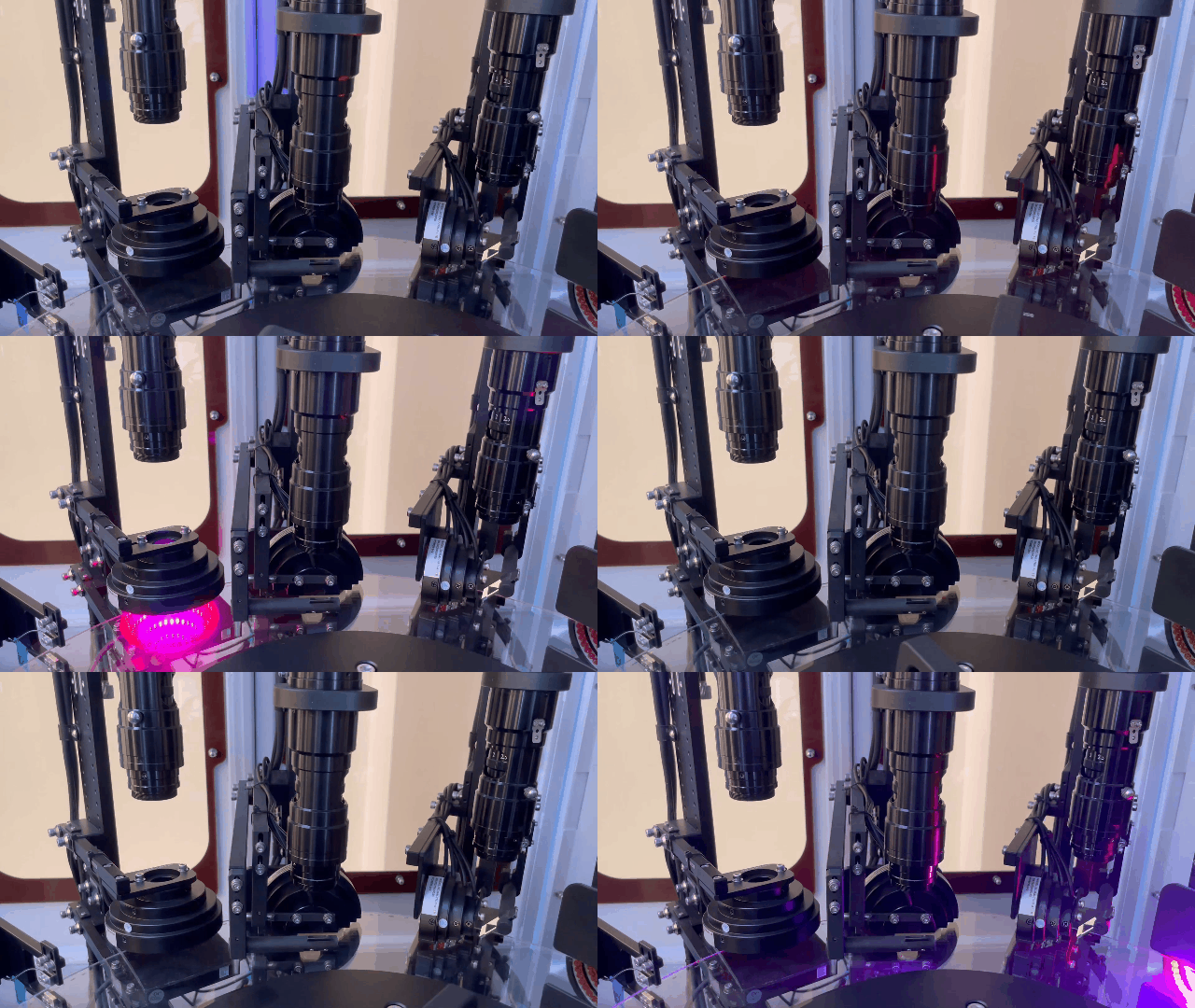
Products are conveyed to a glass plate by a vibrating feeder. The glass's transparency, combined with optical hardware and a sophisticated image processing system from our in-house development, facilitates defect detection on the product surface. Optical glass disks serve as both carriers for product testing and transportation.
The machine utilizes up to 10 high-performance industrial cameras operating simultaneously to inspect the products, providing a 360-degree inspection without blind spots. Our proprietary high-speed image processing system enables swift detection at rates of up to 9,000 pieces per hour. Post-inspection, multiple output mechanisms sort products based on different specifications or types of defects, resulting in efficient categorization.