


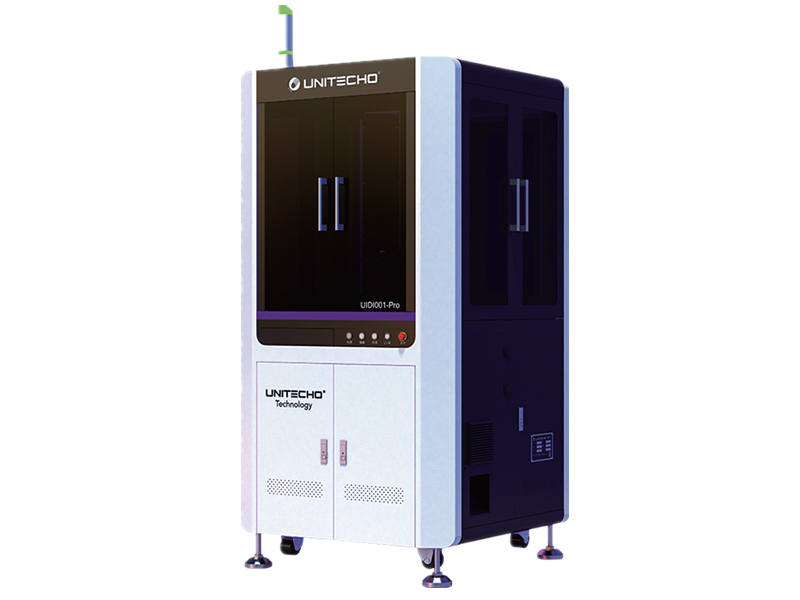
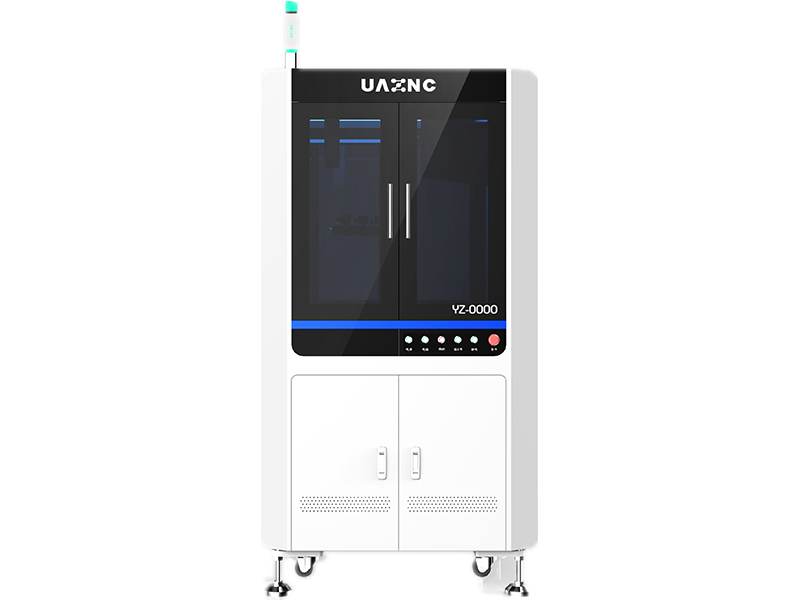
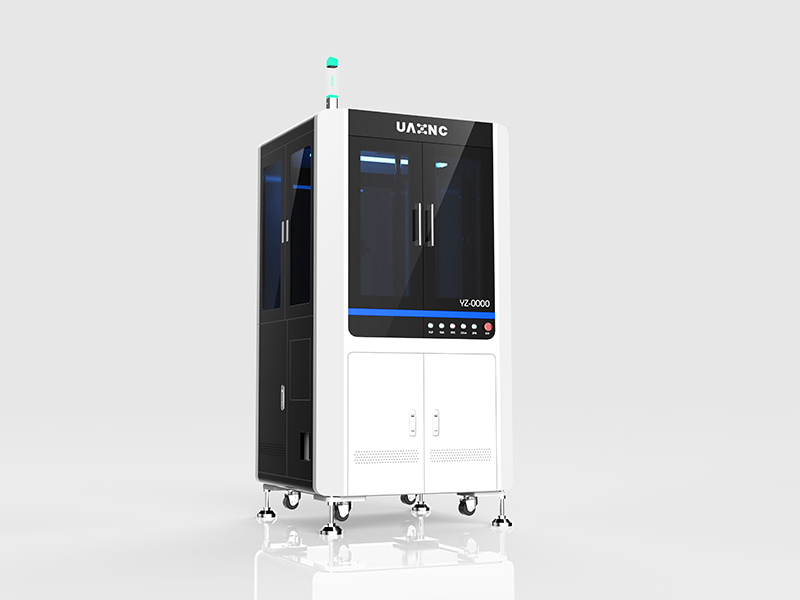

Six Face Detection Equipment for Appearance Inspection
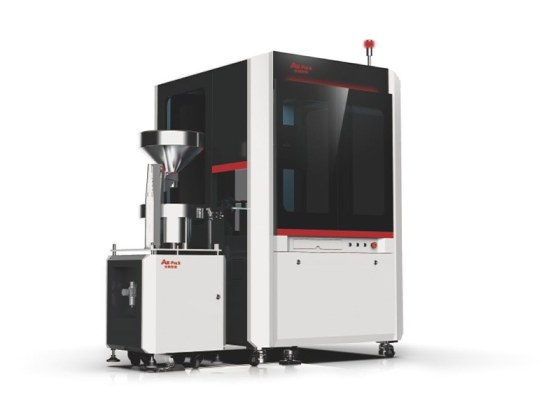
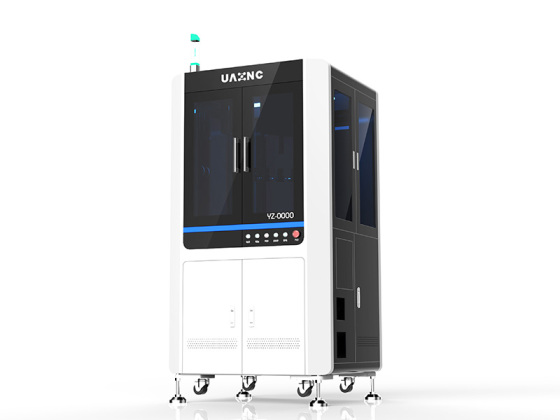
Unitecho Six Face Detection Equipment is built for industrial visual inspection automated sorting and production quality control Buyers can use it for small industrial parts where stable inspection repeatable handling and reliable sorting are more important than manual checking speed
- Unitecho
- China
- To be confirmed based on model and customization
- Custom production and project supply
- Information
Six Face Detection Equipment inspection application guide
Six Face Detection Equipment is used for automated appearance inspection, dimensional checking, defect recognition, counting, and sorting workflows where stable feeding, optical imaging, and reliable reject separation are important. For Appearance Inspection Equipment selection, manufacturers should compare part size, inspection sides, camera configuration, feeding method, sorting speed, and defect criteria before confirming the final machine layout.
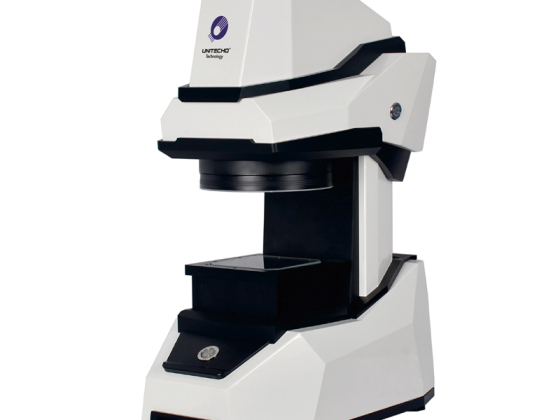
Related Unitecho optical sorting solutions include AI Appearance Inspection Equipment, One Button Rapid Measurement System, Waterproof Plug Optical Inspection Machine. These internal product links help users compare inspection equipment by application, component type, and automation requirement.
Six-face detection equipment workprinciple
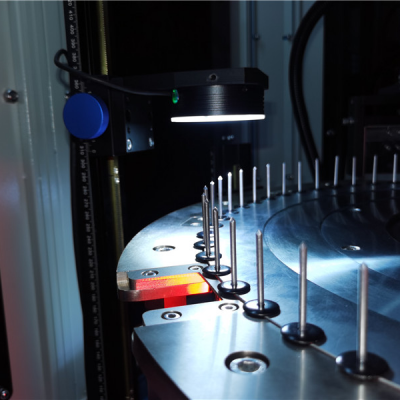
The working principle of an industrial inspection device is based on image analysis from industrial cameras. This equipment is capable of customizing various functional tests for product quality, such as visual checks for issues like reversed polarity, misplaced insulation, uneven sleeve edges, liquid leakage from caps, unbanded items, open or improperly sealed ends, protrusions larger than 0.2mm, defective caps, misclassification, poor soldering points, color variations, and missing pins. It also performs dimensional assessments, including length, width, height, hole diameter, and specific local dimensions. Primarily designed for small, non-stationary items, the device addresses common challenges in manual inspection, like high labor requirements, slow speed, and increased risk of missed defects.
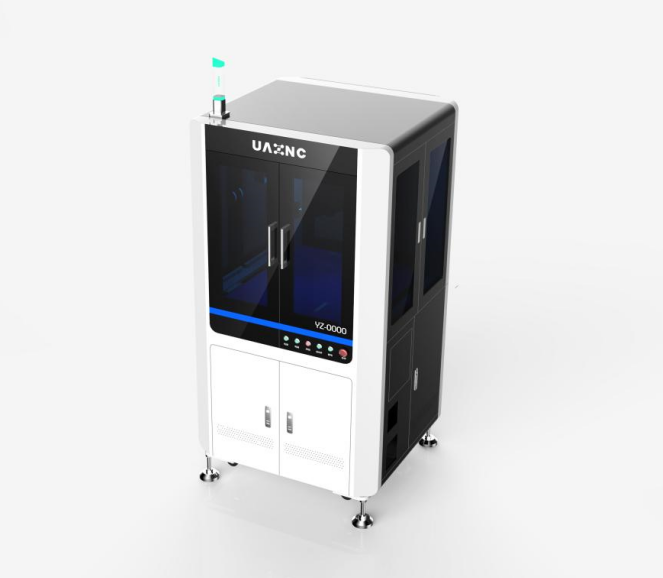
By deeply understanding industry-specific requirements, the device was developed to mitigate errors resulting from human fatigue or inconsistency. Over recent years, visual inspection systems have gained popularity due to their efficiency, intelligence, and non-contact nature, gradually replacing manual inspections in industries. These systems have become widely adopted, offering a more reliable and consistent solution to quality control.