


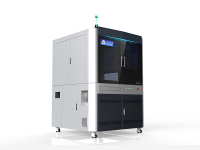
Glass Disc Optical Sorting Machine for Image Screening
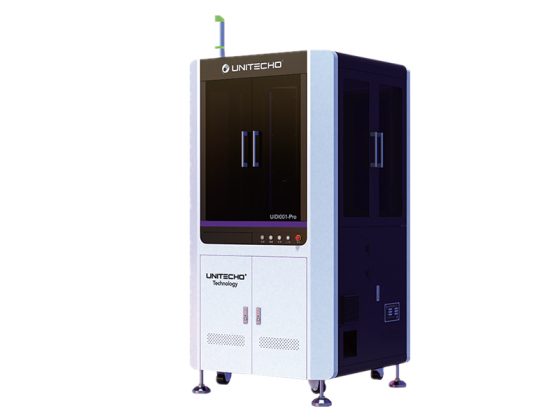
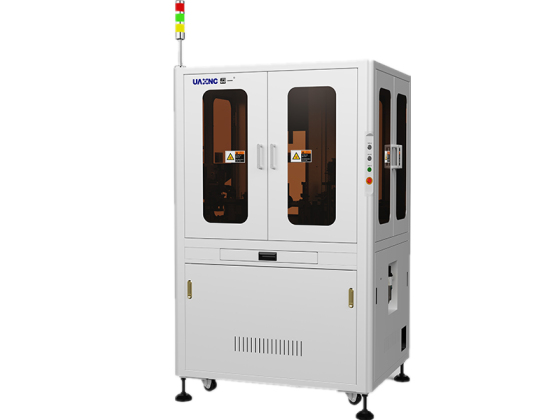
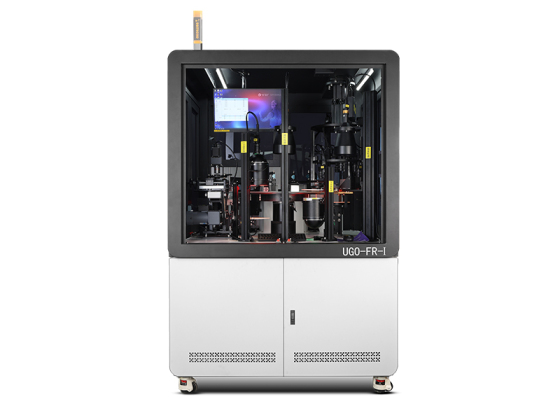
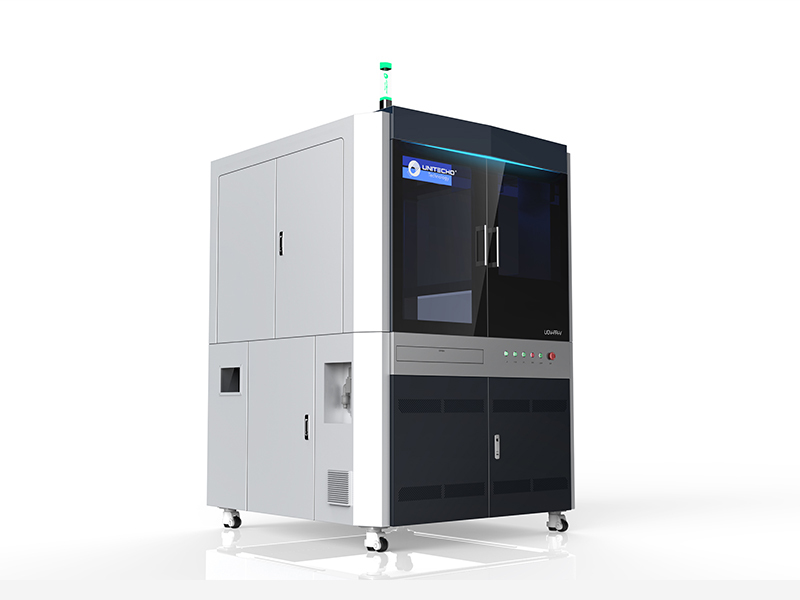
Unitecho Glass Disc Optical Sorting Machine is built for multi angle optical inspection rotary disc sorting and small parts defect detection Buyers can use it for small industrial parts where stable inspection repeatable handling and reliable sorting are more important than manual checking speed
- Unitecho
- China
- To be confirmed based on model and customization
- Custom production and project supply
- Information
Glass Disc Optical Sorting Machine inspection application guide
Glass Disc Optical Sorting Machine is used for automated appearance inspection, dimensional checking, defect recognition, counting, and sorting workflows where stable feeding, optical imaging, and reliable reject separation are important. For Optical Image Screening Machine selection, manufacturers should compare part size, inspection sides, camera configuration, feeding method, sorting speed, and defect criteria before confirming the final machine layout.
Related Unitecho optical sorting solutions include Automatic Screw Bolt Sorter Glass Plate Optical Sorting Machine, Fastener Optical Sorting Machine, Fully Automatic Optical Sorting Machine. These internal product links help users compare inspection equipment by application, component type, and automation requirement.
Glass disc optical sorting machine Structure
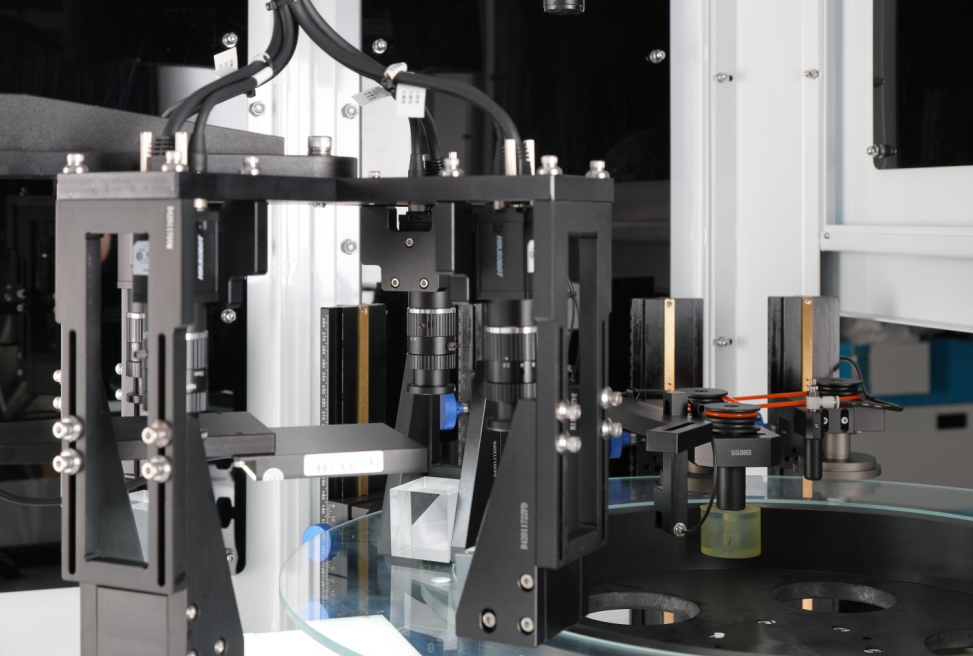
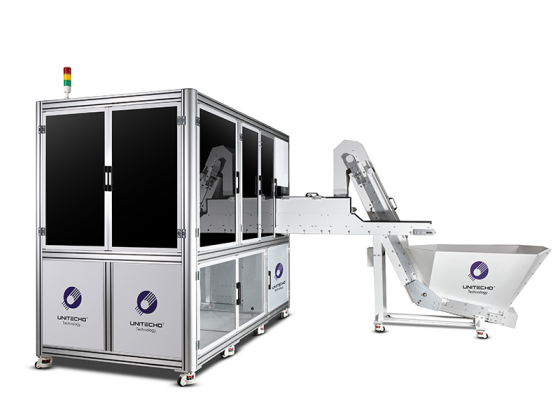
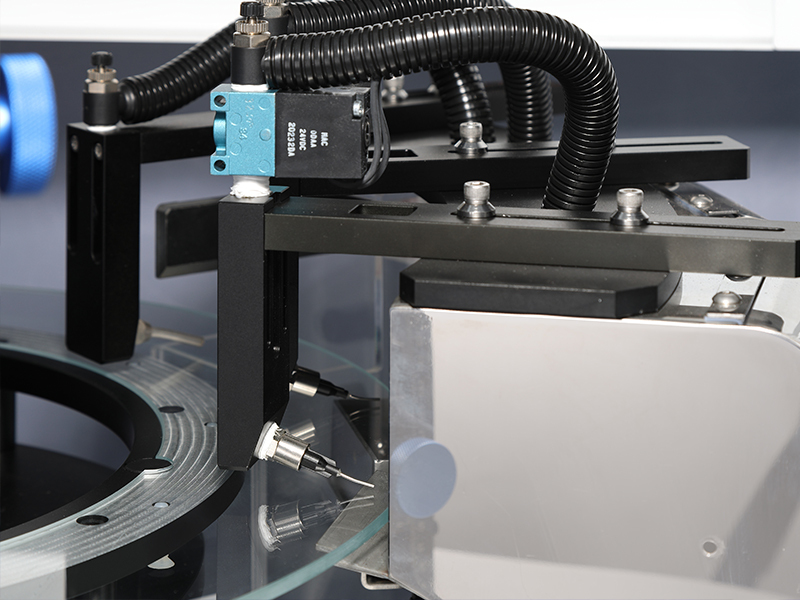
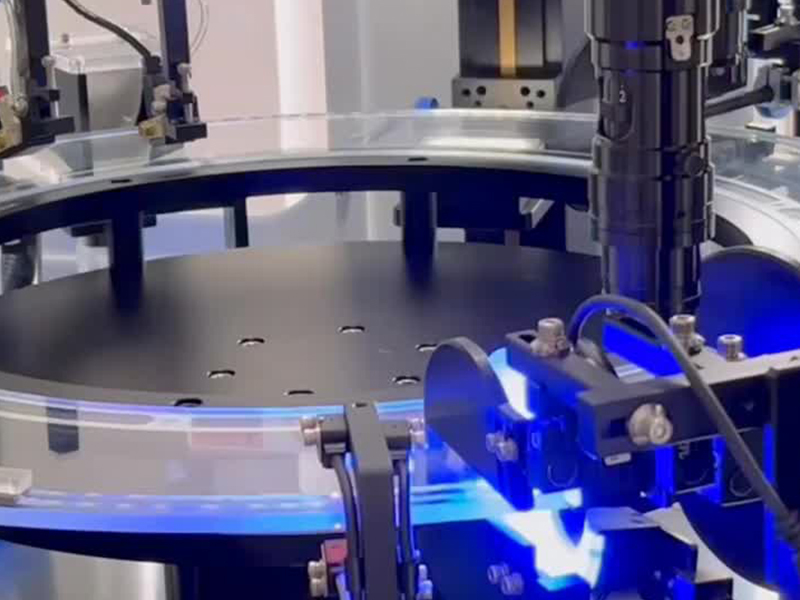
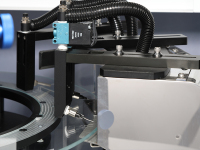
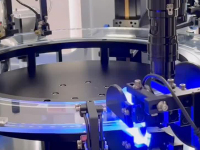
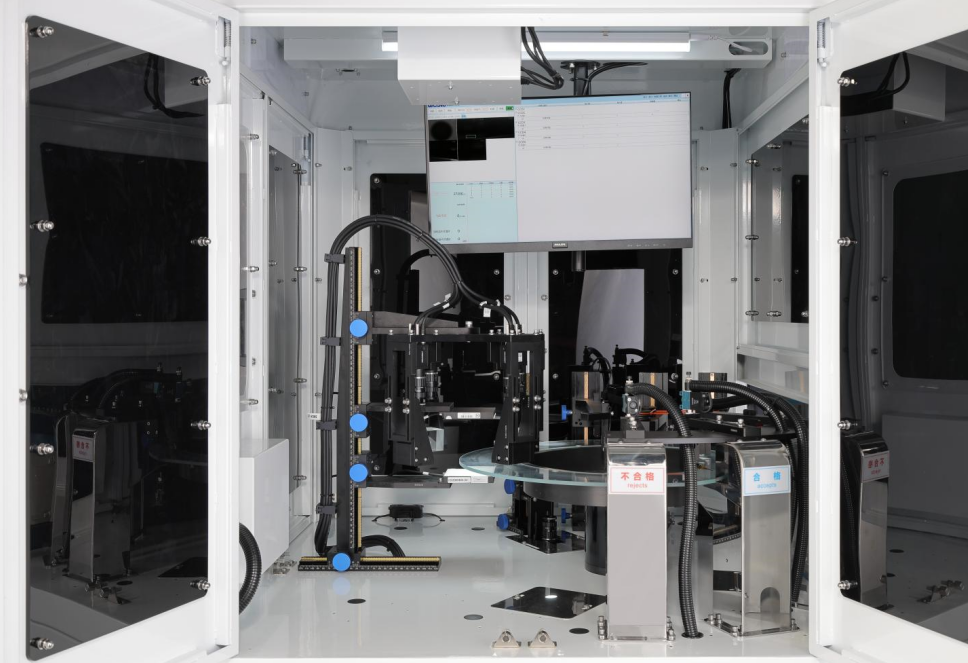
A typical glass disc optical sorting machine consists of several core components. The system starts with an input conveyor belt, which carries the glass discs under inspection. At its heart lies an optical inspection unit, equipped with high-resolution cameras and specialized lighting that capture images of the discs' surface. This is followed by a series of sensors and image processing software that analyze the images for specific characteristics or defects. A central control unit coordinates the entire process, controlling motors and pneumatic systems for precise movement and placement of the discs into designated bins based on the detected features. An output conveyor then transports the sorted discs accordingly.
Defect Detection
The machine is designed to detect a variety of defects in glass discs using advanced algorithms. These may include scratches, cracks, discoloration, warping, or irregular thickness variations. The cameras capture imperfections, which are then compared against pre-defined patterns or reference images. Edge detection sensors help identify flaws along the rim, while spectrometers check for uniformity in the glass composition. Machine learning algorithms continuously refine the detection capabilities, ensuring that the system can adapt to new types of defects or variations in the manufacturing process. Any identified defects are marked or rejected automatically, minimizing the risk of defective products reaching the end-users.