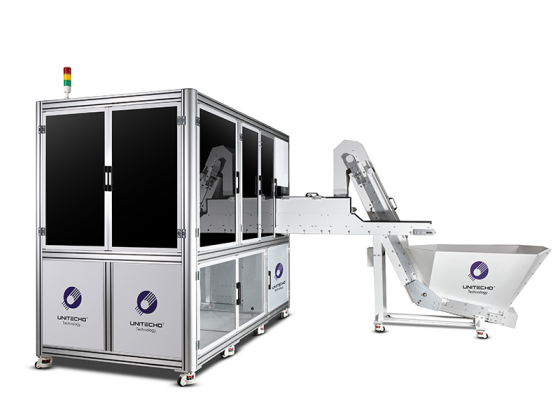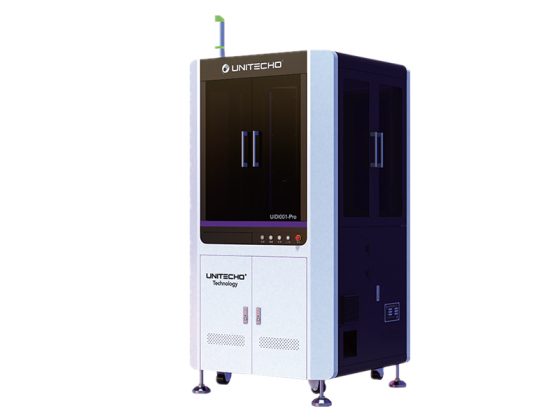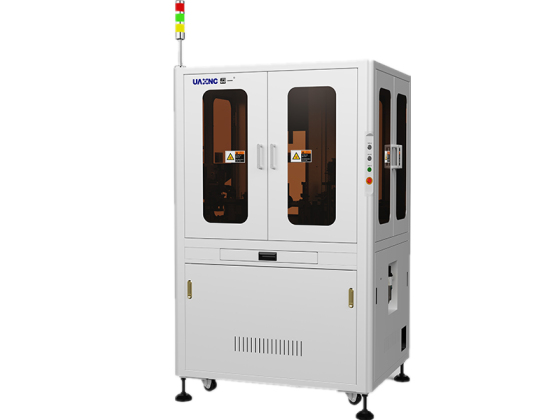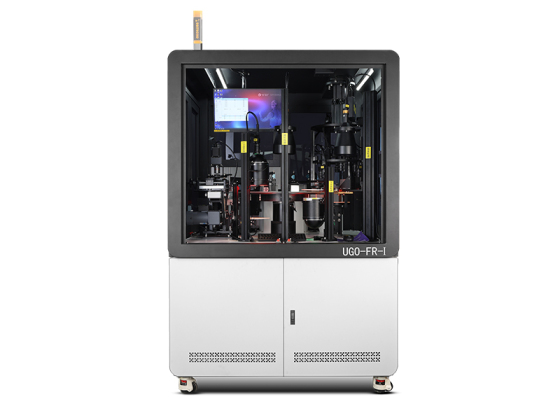



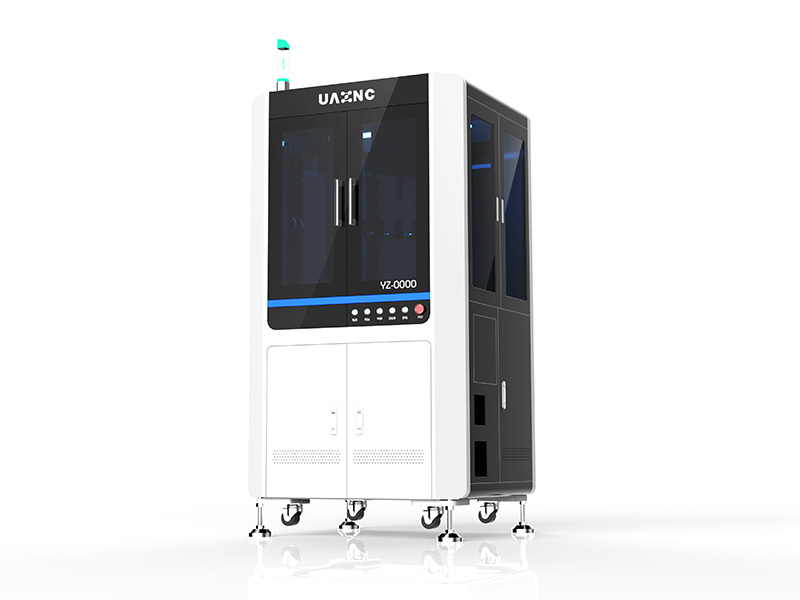
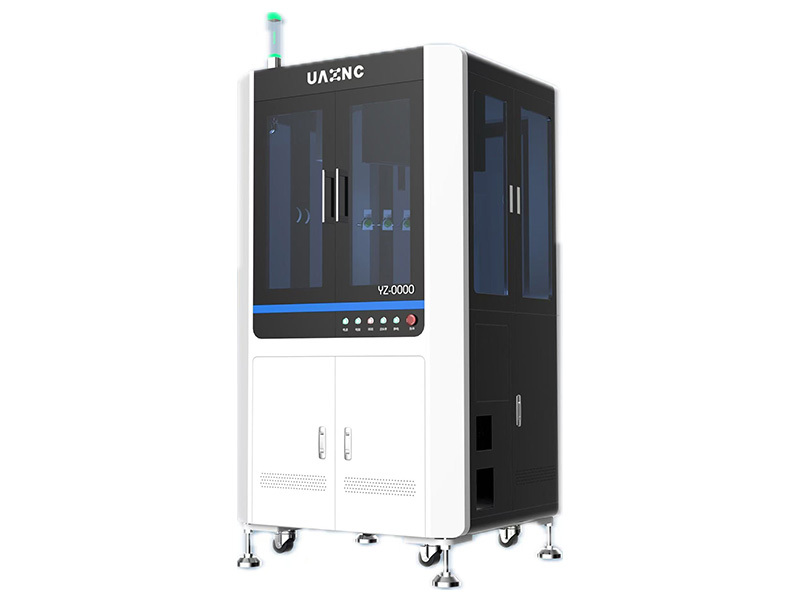
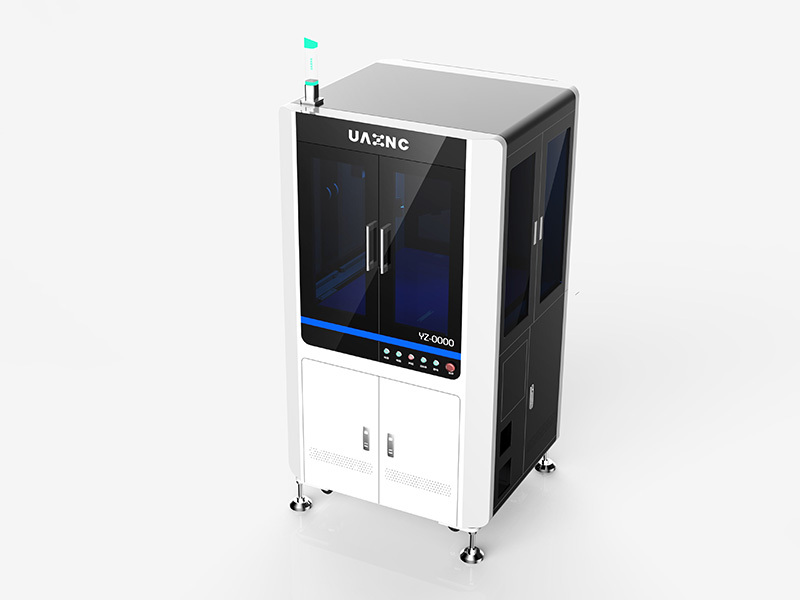
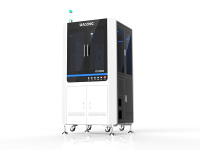
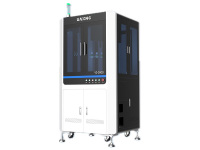
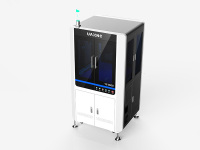
Optical Image Screening Machine for Industrial Inspection
Unitecho Optical Image Screening Machine is built for industrial visual inspection automated sorting and production quality control Buyers can use it for small industrial parts where stable inspection repeatable handling and reliable sorting are more important than manual checking speed
- Unitecho
- China
- To be confirmed based on model and customization
- Custom production and project supply
- Information
Optical Image Screening Machine inspection application guide
Optical Image Screening Machine is used for automated appearance inspection, dimensional checking, defect recognition, counting, and sorting workflows where stable feeding, optical imaging, and reliable reject separation are important. For Optical Image Screening Machine selection, manufacturers should compare part size, inspection sides, camera configuration, feeding method, sorting speed, and defect criteria before confirming the final machine layout.
Related Unitecho optical sorting solutions include Glass Dial Optical Sorting Machine, Glass Plate Optical Sorting Machine, Fully Automatic Optical Sorting Machine. These internal product links help users compare inspection equipment by application, component type, and automation requirement.
Optical Image Screening Machine advantage
The six-sided inspection device, powered by advanced AI technology, boasts a series of cutting-edge features that redefine precision and efficiency in visual inspection. Its key highlights include:
High Resolution Imaging: Equipped with high-resolution cameras, it captures minutest details with exceptional clarity, enabling accurate identification of even the smallest defects.
Machine Learning Capabilities: Utilizing deep learning algorithms, the device learns from vast datasets to continuously improve its detection accuracy, reducing human error and increasing throughput.
Intelligent Object Detection: The device employs object recognition software to swiftly distinguish between various components and patterns, streamlining the inspection process.
Real-Time Analysis: Thanks to its real-time processing capabilities, any anomalies are flagged immediately, ensuring rapid response and preventing potential quality issues.
Customizable Inspections: Users can configure the system to cater to specific industry standards or product specifications, making it adaptable to diverse manufacturing environments.
Environment-Adaptive: It functions effectively in varying lighting conditions and can adjust to different angles, ensuring consistent performance across different scenarios.
Remote Monitoring and Connectivity: The device is connected wirelessly, allowing for remote monitoring and data analysis, facilitating remote maintenance and enhancing overall productivity.
This AI-driven inspection equipment is a game-changer in the industrial landscape, delivering precision, speed, and adaptability to meet the most demanding quality control requirements.
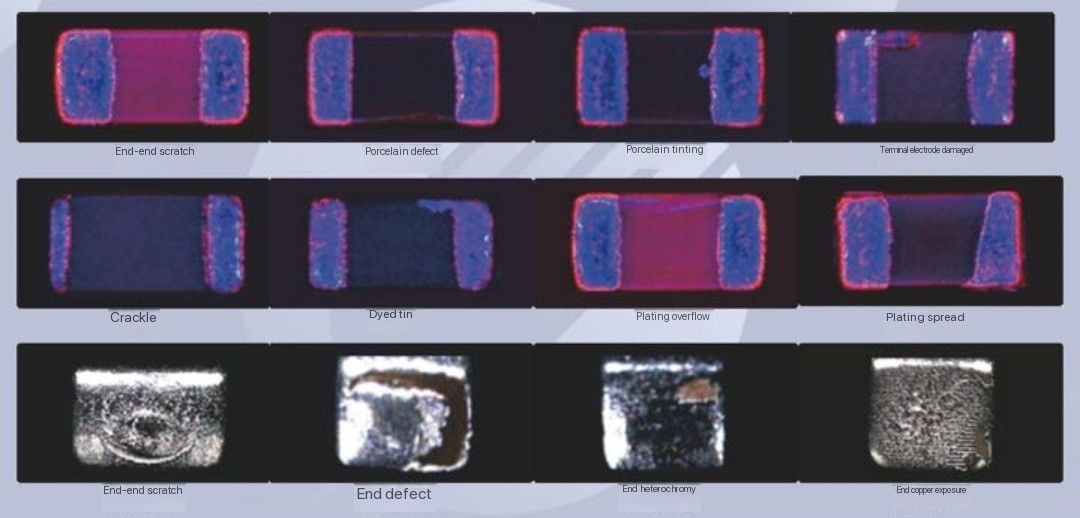
Optical Image Screening Machine Detectable subject


Defect Effect Case Study: Multi-Layer Ceramic Capacitor (MLCC)